

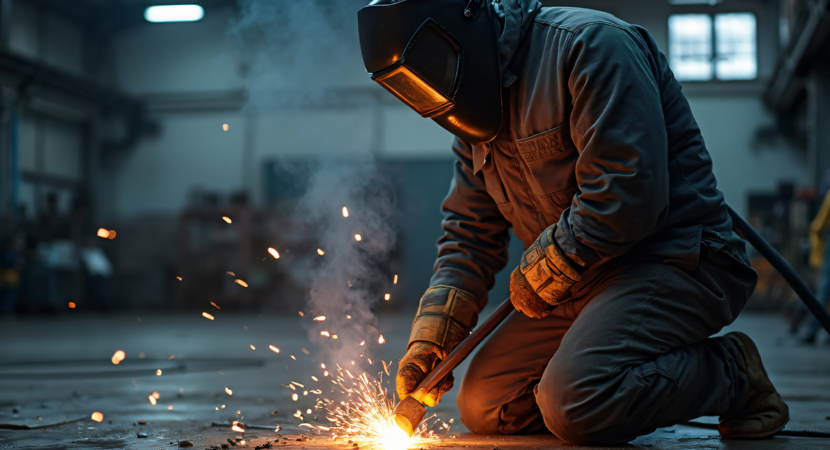
In industrial environments where fire and heat hazards exist, flame-resistant (FR) coveralls are essential for worker safety. From oil rigs and petrochemical plants to welding workshops and electrical facilities, proper FR clothing can prevent burns, reduce injuries, and ensure compliance with safety regulations.
Choosing the right FR coverall is more than just picking a size — it involves understanding materials, certification standards, ergonomic design, and industry-specific requirements. This guide walks you through every factor to consider, ensuring maximum protection without compromising comfort or mobility.
Understanding Flame Resistance
Flame-resistant fabrics are engineered to resist ignition and self-extinguish when exposed to fire or sparks. Unlike standard clothing, FR coveralls protect against thermal hazards while remaining breathable and flexible.
“A quality FR coverall is both a shield and a comfort layer for industrial workers, ensuring protection without compromising mobility.”
— Team TERRAIN

Key Features to Consider
Not all FR coveralls are created equal. When selecting the right coverall, focus on these features:
Sizing and Comfort
A well-fitted garment improves both safety and productivity on the job.
Real-World Use Cases
These examples highlight how proper FR coveralls can prevent injuries and improve workplace safety.
Conclusion
Flame-resistant coveralls are indispensable in hazardous industries. By understanding materials, features, sizing, and maintenance, companies can ensure maximum protection for their workforce while maintaining comfort, mobility, and compliance with international safety standards.